Structural biology is playing an increasingly central role in modern discovery pipelines. From your perspective, what are the biggest ways structural insight is shaping decision-making in vaccine and therapeutic development today?
Structural biology has moved from being a supportive discipline to a central driver of decision-making in modern discovery pipelines. During my three years of PhD in X-ray crystallography about 20 years ago, I deciphered 20 protein structures to inform hypotheses in three programs compared to our current capabilities where the throughput could average to 12-structures/48 hrs. according to a Thermofisher White Paper published in 2021. The ability to visualize molecular interactions at atomic resolution means we can now ask and answer questions that were simply inaccessible a decade or two ago. In vaccine development, structural insights have been transformative. The whole world is aware of how SBDD was crucial for the development of vaccine against COVID. Understanding the precise architecture of antigens, their conformational states, and how they engage with the immune system allows us to design immunogens that elicit far more targeted and durable responses. In therapeutics, structural data is increasingly informing early candidate selection, helping teams prioritize molecules with the right binding geometry, selectivity profile, and developability characteristics before significant resources are committed. What excites me most is that structural biology is no longer just validating hypotheses, it is generating them.
You’ll be leading a workshop on Antigen Design and Engineering at this year’s summit. What are some of the key challenges scientists face today when designing or optimizing antibodies, and how can structural biology help address them?
Designing and optimizing antibodies remains one of the most intellectually rich and genuinely difficult challenges in our field. Some of the most persistent hurdles include achieving the right balance between affinity and specificity, engineering for stability across diverse physiological conditions, and predicting how subtle sequence changes will translate into functional outcomes. Antigen design adds another layer of complexity. We need to present the right epitope in the right conformation to elicit a protective immune response, which requires a deep understanding of antigen dynamics, not just static structure.
However, with high throughput Structural biology and other HT analytics techniques in place, we are uniquely positioned to address these challenges because it gives us a ground-truth view of what is happening at the molecular level. Cryo-EM has been particularly a game-changer. It allows us to capture flexible, dynamic complexes that were previously invisible to us, and to do so at a throughput that is increasingly compatible with iterative design cycles. When structural data is integrated early and continuously into the design loop, the quality of decisions improves dramatically.
Advances in AI and computational modelling are opening new possibilities in protein and antigen design. How do you see experimental structural biology and computational approaches working together to improve design confidence?
This is perhaps the most exciting frontier in our field right now. The emergence of tools like AlphaFold and RFdiffusion has shifted what is computationally tractable, and the pace of innovation is remarkable. But I think the most powerful paradigm is not computational replacing experimental, it is the two working in tight, iterative partnership. Computational models are extraordinarily good at generating hypotheses and exploring vast design spaces at speed. Experimental structural biology then provides the ground truth that validates. Some of the most important discoveries come from the moments when experimental data diverges from computational prediction, because that divergence tells us something fundamentally new about the biology. Multiple organizations are investing in exactly this kind of integrated workflow, where cryo-EM, X-ray crystallography, and biophysical characterization feed back into computational pipelines in real time. The result is a design confidence that neither approach could achieve alone and that’s where the real innovation happens.
You are actively involved in WEINSPIRE BIO, a network supporting women in structural biology and drug discovery. Could you share a little about your personal involvement in the initiative and what the experience has meant to you?
WeINSPIREBio holds a very special place for me as one of the co-founders. Structural biology and drug discovery are fields where women have made extraordinary contributions, yet representation particularly at senior and leadership levels still has a long way to go. WeINSPIRE BIO was born from a recognition that visibility matters: when early-career scientists can see women leading workshops, presenting at summits, and shaping the direction of the field, it changes what they believe is possible for themselves. My involvement has been both professionally and personally enriching. It has connected me with an inspiring community of scientists who are not only brilliant and motivated at what they do, but who are deeply committed to making this field more inclusive and equitable. I would encourage anyone, regardless of where they are in their career to engage with the network, whether as a mentor, a speaker, or simply as someone who shows up and shares their story. The ripple effects are larger than we often realize.
Why do you think dedicated meetings like the Structure-Based Drug Design Summit are important for advancing collaboration across structural biology, computational science and drug discovery teams?
There is something irreplaceable about bringing together structural biologists, computational scientists, and drug discovery teams in the same room. In our day-to-day work, we are often operating within the boundaries of our own organizations and disciplines, and it is easy to lose sight of the broader landscape of what is being solved, what is being attempted, and what is failing across the field. Meetings like the Structure-Based Drug Design Summit create the conditions for the kind of cross-pollination that accelerates science. A conversation over coffee between a computational chemist and a cryo-EM specialist can spark an idea that neither would have arrived at independently. Beyond the science, these gatherings build the professional relationships and mutual trust that make future collaborations possible. In a field moving as fast as ours, these interactions are super valuable.
Finally, what are you most looking forward to discussing with your peers at this year’s summit in Boston?
Honestly, I am most looking forward to the conversations that are not on the agenda. The formal programme will be excellent, the quality of science being presented at SBDD continues to raise the bar each year, but it is the informal exchanges, the debates that spill out of sessions, and the chance to hear how peers at other organizations are tackling the same problems we face, that I find most energizing. Specifically, I am eager to explore how the community is navigating the integration of AI-driven design with experimental validation at scale, which is a challenge we are all working through, and I suspect there is a great deal of collective wisdom to be shared. And of course, I am looking forward to the workshop itself: antigen/antibody design and engineering is a space where the field is moving incredibly fast, and I always leave these sessions with new perspectives that shape how I think about our work at Sanofi.

Explore the Agenda
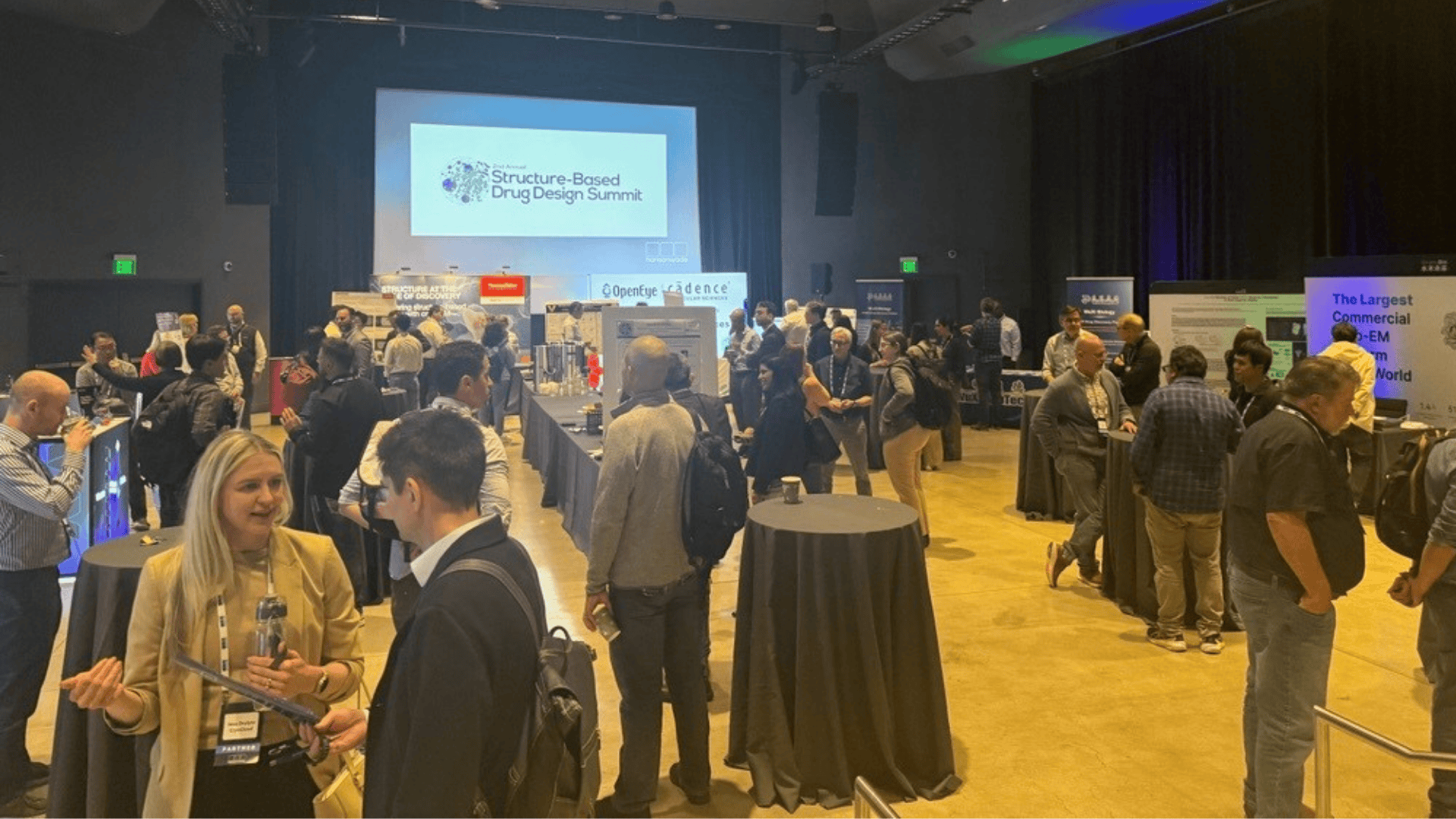
Preview expert-led case studies on AI-enabled structure-based drug design, cryo-EM breakthroughs and complex target biology, alongside interactive discussions and hands-on workshops across three content-rich days.
Partner With Us
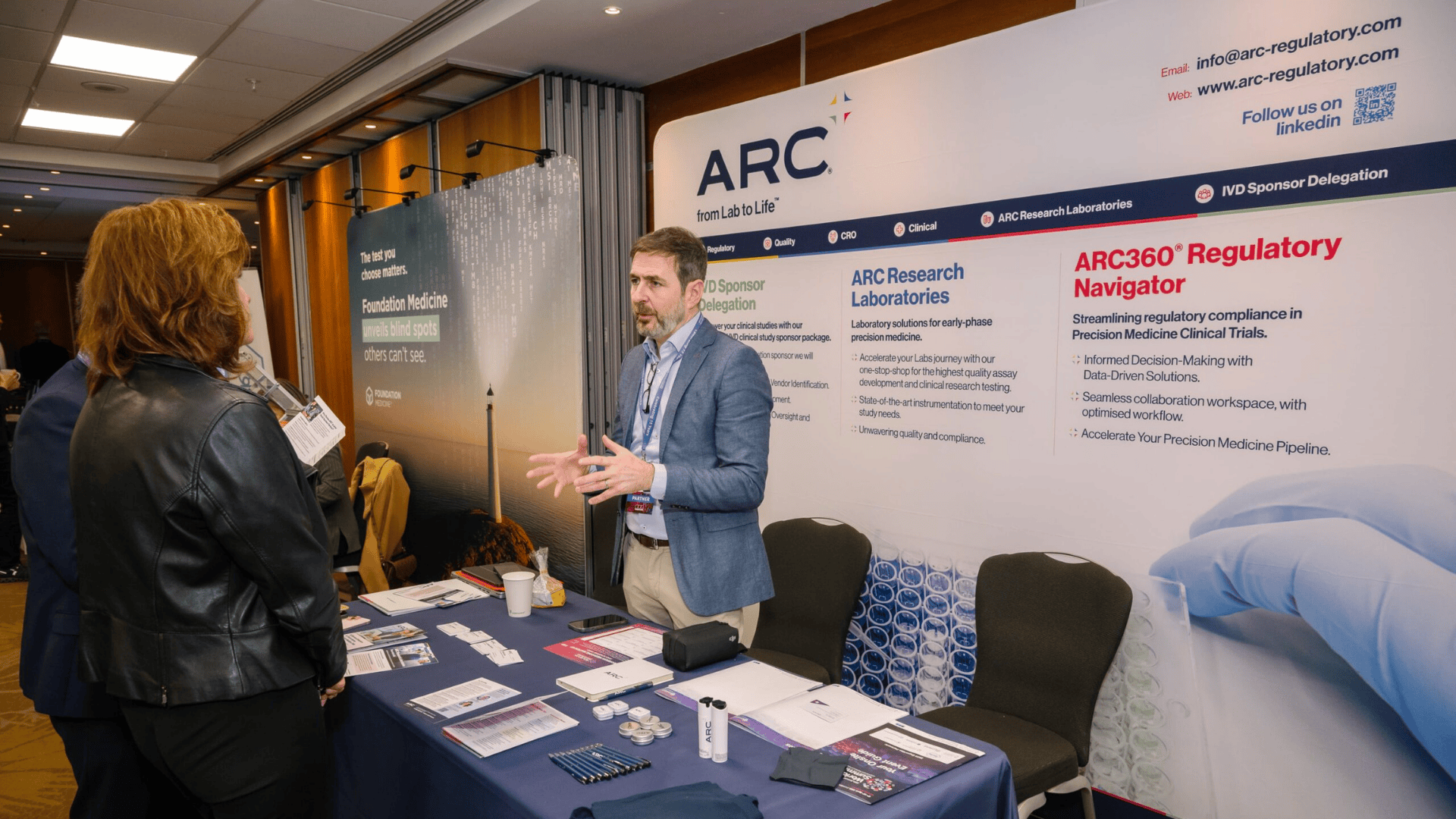
Position your organization as the go-to solution provider by showcasing your technologies, services and expertise to structural biology and drug discovery leaders shaping the next generation of discovery workflows.
Join Biopharma Experts
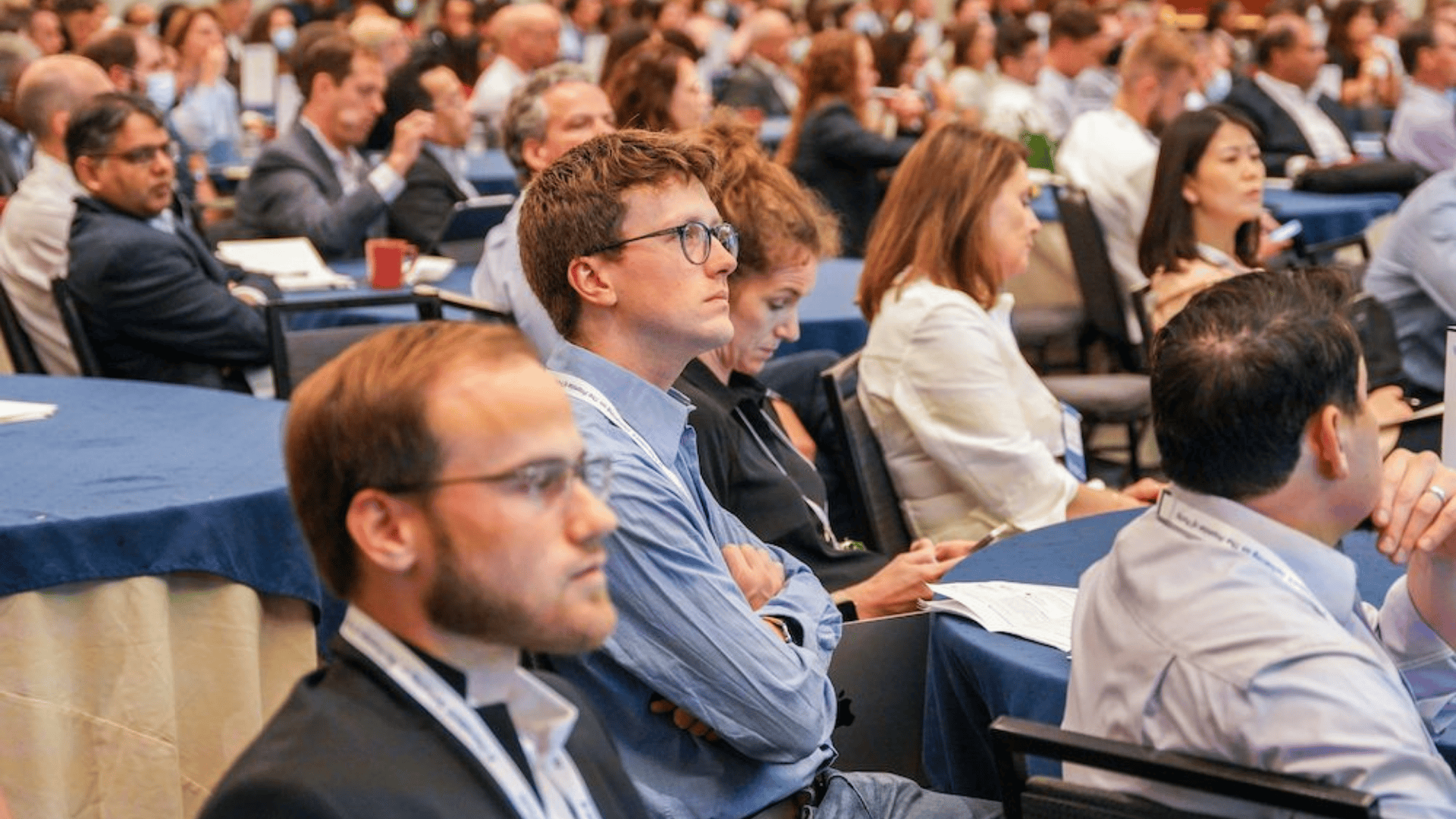
Connect with structural biologists, medicinal chemists, computational scientists and discovery leaders through collaborative discussions, roundtables and dedicated networking sessions to elevate structural insights and strengthen discovery decisions.